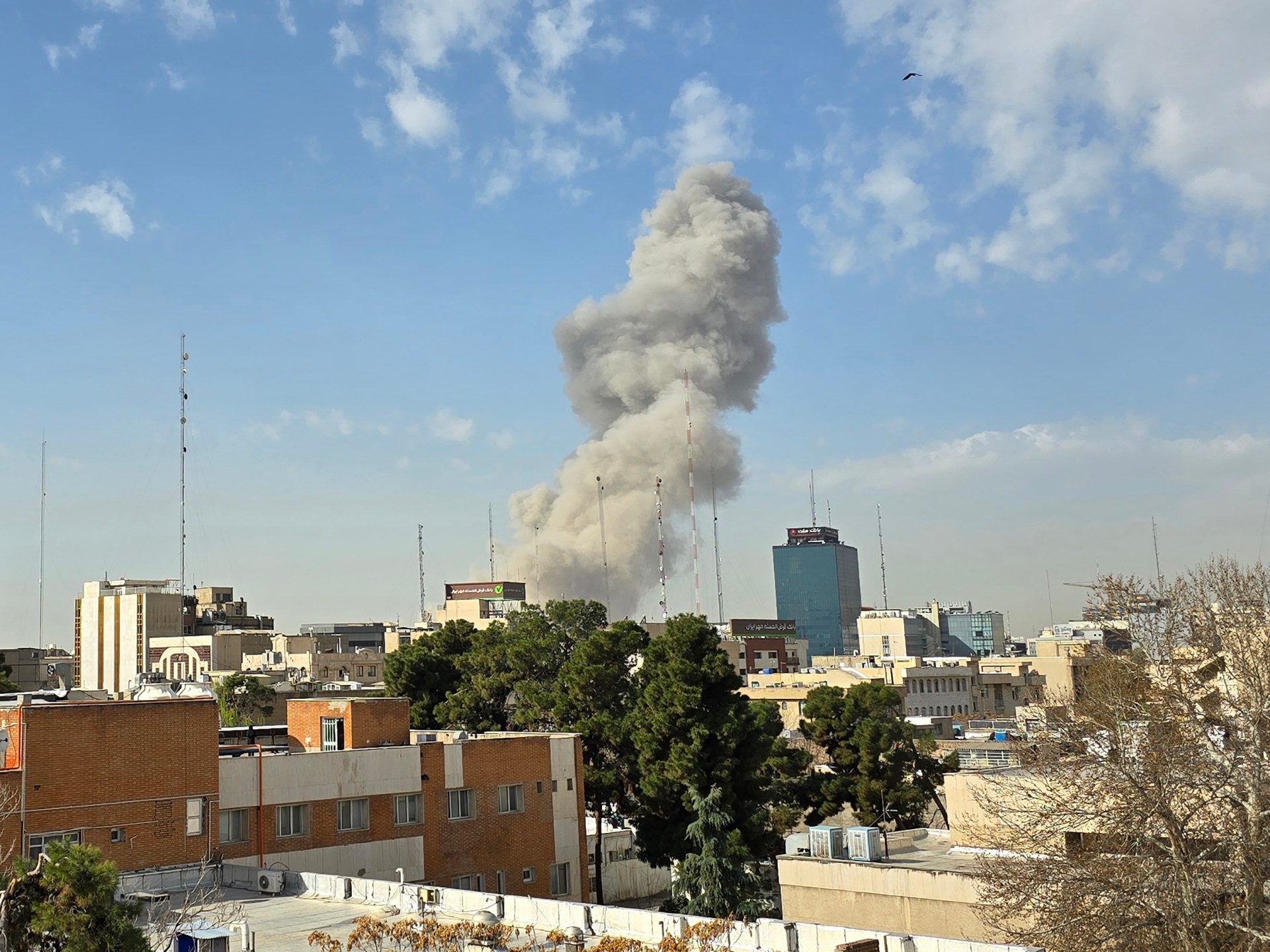
The Echoes of Retaliation: Understanding Operation Soleimani and its Aftermath
In the tense geopolitical landscape of early 2020, the Middle East, and indeed the world, held its breath. The targeted killing of Iranian General Qassem Soleimani by a U.S. drone strike had ignited fears of a full-blown war, pushing the already fraught relationship between Washington and Tehran to a perilous precipice. Iran's swift and resolute response, dubbed 'Operation Martyr Soleimani,' was more than just a military maneuver; it was a complex act of strategic signaling, designed to retaliate, demonstrate capability, and yet, crucially, avoid an unmanageable escalation. Understanding this pivotal event requires delving into its motivations, execution, immediate consequences, and lasting impact on regional stability.
The Prelude to Retaliation: A Region on Edge
The catalyst for Operation Soleimani was the U.S. drone strike on January 3, 2020, near Baghdad International Airport, which killed Qassem Soleimani, the revered commander of the Islamic Revolutionary Guard Corps (IRGC) Quds Force, along with several Iraqi militia leaders. Soleimani was a pivotal figure in Iran's regional strategy, orchestrating proxy forces and extending Tehran's influence across the Middle East. The U.S. justified the strike as a defensive measure to deter imminent attacks on American personnel and interests, a claim that sparked intense debate globally.
For Iran, Soleimani's assassination was an unparalleled blow, viewed as an act of state-sponsored terrorism and a direct challenge to its sovereignty. The supreme leader, Ayatollah Ali Khamenei, vowed "harsh revenge," and millions poured into the streets of Iranian cities for Soleimani's funeral, transforming it into a mass demonstration of national grief and defiance. The pressure on the Iranian leadership to respond forcefully was immense, but so too was the awareness of the catastrophic potential of an all-out war with the United States. This created a strategic dilemma: how to retaliate effectively without triggering an uncontrollable spiral of violence.
Operation Martyr Soleimani: Iran's Measured Response
Iran's answer came on January 8, 2020, just days after Soleimani's death. Codenamed "Operation Martyr Soleimani," the IRGC launched more than a dozen ballistic missiles from Iranian territory at two Iraqi military bases housing U.S. troops: Ain al-Assad air base in Anbar province and a facility near Erbil in Iraqi Kurdistan. This marked a historic moment, as it was the first time Iran had directly attacked U.S. forces with ballistic missiles from its own soil.
The choice of targets and the nature of the attack were highly significant. Ain al-Assad, a large and strategically important base, represented a visible target for Iranian retaliation. However, evidence suggests that Iran deliberately aimed to avoid mass casualties. U.S. officials stated that Iran provided advance warnings, either directly or indirectly through Iraq, allowing troops to take shelter. While initial reports indicated no U.S. casualties, dozens of service members later suffered traumatic brain injuries (TBIs), highlighting the psychological and physical toll of the assault, even without direct fatalities. Iran, for its part, claimed to have inflicted significant casualties, a narrative aimed at satisfying domestic demands for revenge and projecting strength.
Amidst these retaliatory strikes and the intense international focus on potential escalation, it is noteworthy that Iran's official communications and the subsequent reporting did not indicate any targeting of or harm to the nation's political leadership. Specifically, while the region grappled with the implications of military action, the **Iranian president remained unharmed**, demonstrating a strategic choice by Tehran to focus its retaliation on military installations rather than political figures or critical infrastructure that would risk further destabilizing the highest echelons of Iranian governance. This careful calibration underscored Iran's desire to send a strong message without precipitating a direct, all-out conflict with the United States, especially after experiencing significant leadership losses elsewhere within its command structure. This calculated approach ensured the continuity of the Iranian leadership structure, contrasting with other significant losses that had occurred within its military ranks.
De-escalation and the Immediate Aftermath
Following the strikes, the world braced for a swift U.S. counter-retaliation. However, President Donald Trump, in a televised address, stated that Iran appeared to be standing down and that the U.S. would respond with economic sanctions rather than military force. This decision marked a critical turning point, pulling the two nations back from the brink of a full-scale war. International calls for calm, from European allies to the United Nations, likely played a role in both sides' decisions to de-escalate.
Tragically, the heightened tensions had another, devastating consequence. Hours after Operation Soleimani, Ukraine International Airlines Flight 752 (PS752) was mistakenly shot down by Iranian surface-to-air missiles shortly after takeoff from Tehran. All 176 people on board were killed. Iran initially denied responsibility but later admitted that its air defense system had mistakenly identified the passenger jet as a cruise missile amidst extreme alert levels. This horrific incident underscored the immense risks of military tensions, where miscalculation and human error can lead to unimaginable tragedy. The downing of PS752 added another layer of complexity to Iran's tumultuous landscape: leadership deaths & military strikes, further eroding public trust both domestically and internationally.
Geopolitical Ramifications and Future Tensions
Operation Soleimani, despite its limited direct military impact, had profound geopolitical ramifications:
- U.S.-Iran Relations: The incident solidified a new, more confrontational era in U.S.-Iran relations, moving beyond proxy conflicts to direct military engagement. While a full war was averted, the underlying mistrust and animosity deepened.
- Iraq's Sovereignty: Iraq found itself caught in the middle of this superpower struggle. The U.S. strike on Soleimani and Iran's subsequent retaliation on Iraqi soil highlighted the fragility of Iraqi sovereignty and fueled calls within Iraq for the withdrawal of U.S. troops.
- Ballistic Missile Capability: Iran demonstrated its sophisticated ballistic missile capabilities, proving it could strike U.S. targets with precision. This served as a deterrent and a point of concern for regional adversaries.
- The Nuclear Deal: The Joint Comprehensive Plan of Action (JCPOA), already on life support after the U.S. withdrawal, suffered further blows. Iran accelerated its nuclear activities in response to escalating tensions and sanctions.
- Diplomatic Standoffs: The events underscored the persistent lack of direct diplomatic channels between the U.S. and Iran, making de-escalation reliant on indirect messages and third-party interventions. This contrasts sharply with some public statements, such as those discussed in Trump on Iran: Dissecting Claims of Good Conversations, highlighting the gap between rhetoric and reality.
Understanding the delicate balance demonstrated during Operation Soleimani provides crucial insights into the complexities of de-escalation in high-stakes regional conflicts. It underscores the importance of clear communication channels and strategic restraint, even in the face of immense domestic pressure for retaliation.
In conclusion, Operation Soleimani was a critical moment that reshaped the trajectory of U.S.-Iran relations and regional stability. It demonstrated Iran's capacity for direct retaliation while simultaneously showcasing its strategic calculation to avoid an all-out war. The subsequent de-escalation, though marred by the tragic downing of PS752, prevented a wider conflict, yet left behind a legacy of heightened tensions, eroded trust, and persistent challenges for diplomacy. The incident serves as a stark reminder of the volatile nature of international relations in the Middle East and the constant tightrope walk between deterrence and catastrophic escalation.